
Two Dead After Hurricane Isaias Strikes the United States — Hundreds of Thousands Lose Power
Hurricane Isaias made landfall on Florida’s northern Gulf Coast on Friday evening with winds approaching 170 km/h. At least two people died, hundreds of thousands of homes and businesses lost power, and roads were blocked by flooding and fallen trees. Although the storm weakened, US officials warned the danger was not over. Disruptions to Gulf of Mexico oil production could add uncertainty to international fuel markets.
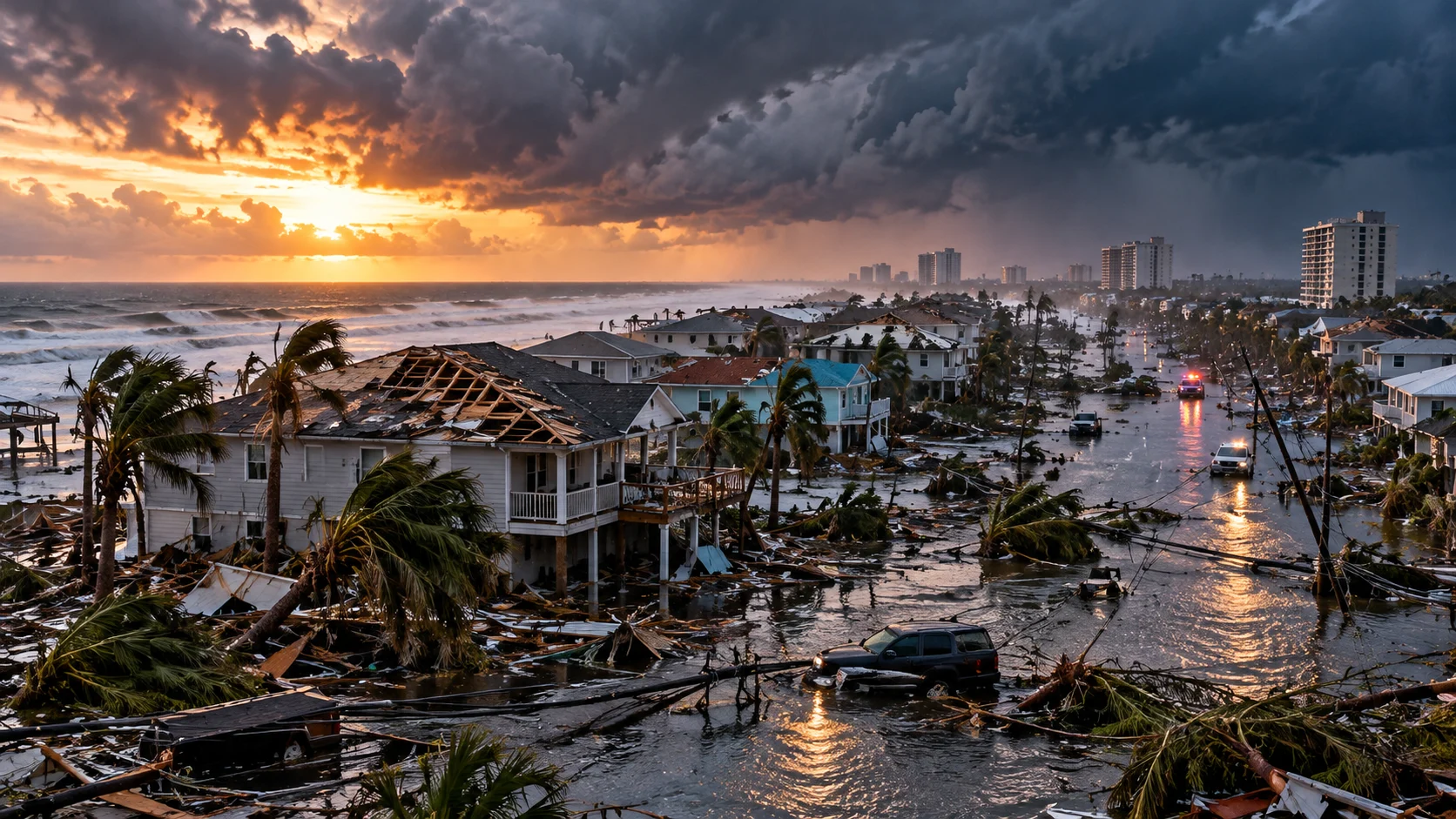
Hurricane Makes Landfall in Florida
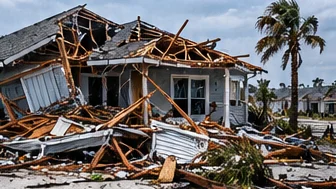
Isaias made landfall near Destin in northwestern Florida on Friday evening, October 9, as a Category 2 hurricane. Winds reached around 169 km/h, bringing high surf, storm surge and torrential rain to Gulf Coast communities. In Pensacola, a hotel roof was torn off and the city’s airport was damaged. Trees blocked roads and power lines came down, leaving some residents unable to travel. Alabama also experienced major disruption: officials in Houston County temporarily closed all roads because of fallen trees, downed power lines and flash-flood risk. Effects extended far inland.
Two Dead and More Than 900,000 Power Customers Affected
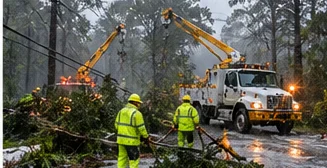
Reuters reported at least two deaths, one in Florida and one in Alabama; in both cases trees fell on homes. The Associated Press reported Saturday that more than 900,000 electricity customers in Florida, Alabama and Georgia had experienced outages. That figure reflects the peak scale of disruption, not the number necessarily still without power. Repairs were under way, with Florida Governor Ron DeSantis saying approximately 16,000 utility workers had been prepared. Outages can also interrupt water systems, telecommunications, filling stations, shops and traffic signals. Crews must wait until it is safe to enter the worst-hit areas.
Evacuations and Emergency Declarations Across the Southeast
US authorities prepared before landfall, ordering residents in vulnerable coastal areas to evacuate and activating emergency responses in Florida and Alabama. Georgia also declared a state of emergency. Icelandic outlets covered these measures on Saturday morning: RÚV reported more than half a million people without electricity on the information then available, while Vísir described extensive evacuations and official coastal warnings. Later US reports showed outages had become more widespread than initial figures suggested. Response efforts increasingly focused on repairs, assistance and damage assessment.
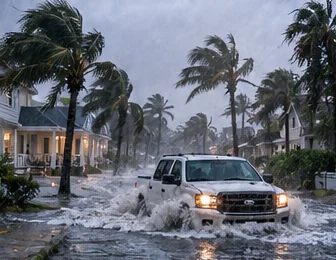
Storm Weakens, but Flooding Remains a Major Threat
By Saturday morning Isaias had weakened below hurricane strength. The National Hurricane Center nevertheless warned of heavy rain, strong winds and possible tornadoes. Forecasts called for 10–20 centimeters of rain across much of northwestern Florida and southern Alabama, with higher totals in some places. Such rainfall can trigger flash floods even after winds subside. DeSantis warned that severe flooding may develop one or two days after a storm passes. A storm losing hurricane status does not mean its dangers have ended.
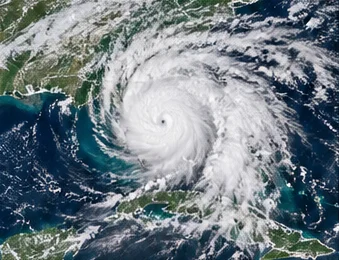
Why Is Storm Surge So Dangerous?
A hurricane’s strong winds push seawater toward the coast, potentially raising sea levels rapidly. Ahead of Isaias, dangerous storm surge was forecast along Gulf Coast communities. Water can inundate roads, homes and normally dry ground, particularly when high waves and intense rainfall coincide. Although storm-surge warnings were lifted Saturday, wind and heavy-rain warnings remained in force in several areas. The pattern of danger changes as the storm moves inland.
Gulf of Mexico Oil Production Partly Shut Down
The hurricane disrupted oil and gas operations in the Gulf of Mexico, an important part of US energy supply. According to the Associated Press, more than two-thirds of offshore oil output was temporarily shut down as a precaution, equivalent to nearly 1.5 million barrels per day. Operators evacuated staff from platforms and prepared to resume work when conditions allowed. Shell said Saturday that it had begun returning workers to some sites. Production may restart relatively quickly if facilities are undamaged, but extended outages or damage to refineries could affect fuel supplies.
Could the Hurricane Raise Fuel Prices?
The fuel-market impact is particularly relevant because international oil and diesel prices have already faced pressure from conflict in the Middle East and the war in Ukraine. Gulf Coast refineries play a major role in US gasoline and diesel production. The Associated Press noted that any price effect would depend on how long production was interrupted and whether power failures caused further problems. A sustained increase in fuel prices due to Isaias has not been established. Precautionary shutdowns must be distinguished from actual damage to infrastructure.
Atlantic Season’s First Hurricane Arrives Unusually Late
Isaias is the first hurricane to form in the Atlantic during the 2026 season, which runs from June 1 through November. Earlier named tropical storms had not reached hurricane strength. It is unusual for the first hurricane to arrive as late as October. Meteorologists have cited the El Niño pattern as one possible factor: increased upper-level wind shear can inhibit hurricane development. El Niño is only one part of a complex interaction between atmosphere and ocean, however, and a quiet season so far does not mean the danger has passed.
Another Powerful Hurricane Threatens Mexico
While Isaias moved through the southeastern United States, Hurricane Simon strengthened to Category 4 in the Pacific. The National Hurricane Center reported winds of about 240 km/h on Saturday. Simon was heading toward Mexico’s west coast, where officials warned of heavy rain, flash floods and landslides. Schools closed in some areas and preparations for possible evacuations began. These are two separate storms in different ocean basins, illustrating how contrasting hurricane conditions can occur simultaneously.
What Does This Mean for Iceland?
Based on the information discussed here, Isaias has no direct weather impact on Iceland. Indirect economic effects are possible if disruption to US oil production or refining lasts. Iceland imports fossil fuels for transport, fisheries and other industries, so changes in global prices can eventually affect import costs. Exchange rates, inventories and importer contracts also matter. There is no evidence presented here that this hurricane has already caused a specific fuel-price increase in Iceland.
What Happens Next?
US authorities will assess the damage in the days ahead. The immediate priorities are protecting residents, restoring electricity and reopening roads and transport infrastructure. Meteorologists will monitor rainfall and potential flooding as the remnants move northeast across the United States. It is too early to determine the final cost or extent of damage. Although Isaias has lost hurricane strength, its consequences will last longer than the storm itself; for people whose homes were damaged or who had to evacuate, recovery is only beginning. Images are AI-generated illustrations, not photographs of real events; the satellite-style illustration is not an official weather map. Sources: National Hurricane Center, Reuters, Associated Press, CBS News and Icelandic news reporting.
National Hurricane Center · Reuters · Associated Press · CBS News ·