
Challenges Facing Icelandic Salmon Farming
A natural threat to fish farming and its operational impact.
Kaldvík has reported increased salmon mortality at its Reyðarfjörður farming sites following an unusually large presence of jellyfish.
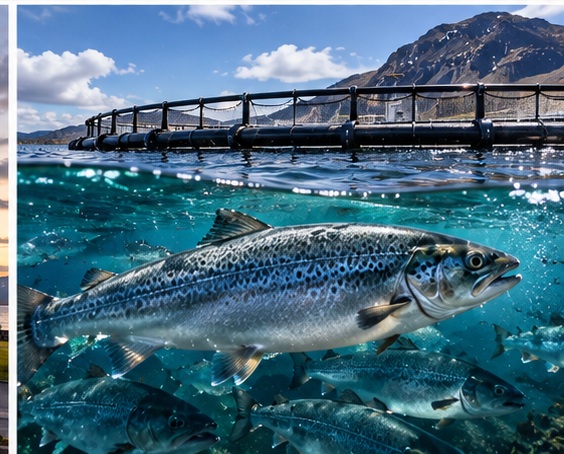
According to company information reported by 200 mílur, additional mortality among the 2025 generation of fish is estimated at 11.5 percentage points since September 4.
Percentage points are not the same as percentages. For example, if mortality had been 5% before the event, an increase of 11.5 percentage points would bring it to 16.5%. This is an illustrative calculation, not a confirmed total mortality rate.
The company says conditions at the affected sites have returned to normal and has maintained its annual harvest forecast of 17,000 tonnes.
Source:Original source
Why can jellyfish harm farmed salmon?
High concentrations of jellyfish can stress fish, including when they come into contact with gills or other sensitive tissue. The effects depend on the species, abundance, sea conditions and health of the fish.
When mortality rises, it is important to distinguish direct causes from contributing factors such as oxygen levels, water temperature and other stresses.
What does this mean for operations?
Higher mortality can affect biomass, delivery plans and production costs. However, the final financial loss cannot be calculated from a single percentage without information about fish numbers, average weight and prices.
Based on currently available information, the company has not changed its forecast. That outlook could change if new information emerges.