
Iceland’s Last Mink Farmer — A Declining Industry and a Legacy That Remains in Nature
Only one mink farm remains in Iceland. Opposition to fur farming is growing, a break-in at the country’s last farm caused major damage, and almost a century has passed since mink were first imported. An industry once regarded as a promising branch of Icelandic agriculture now faces an uncertain future. Even if farming ends, its ecological consequences will remain.
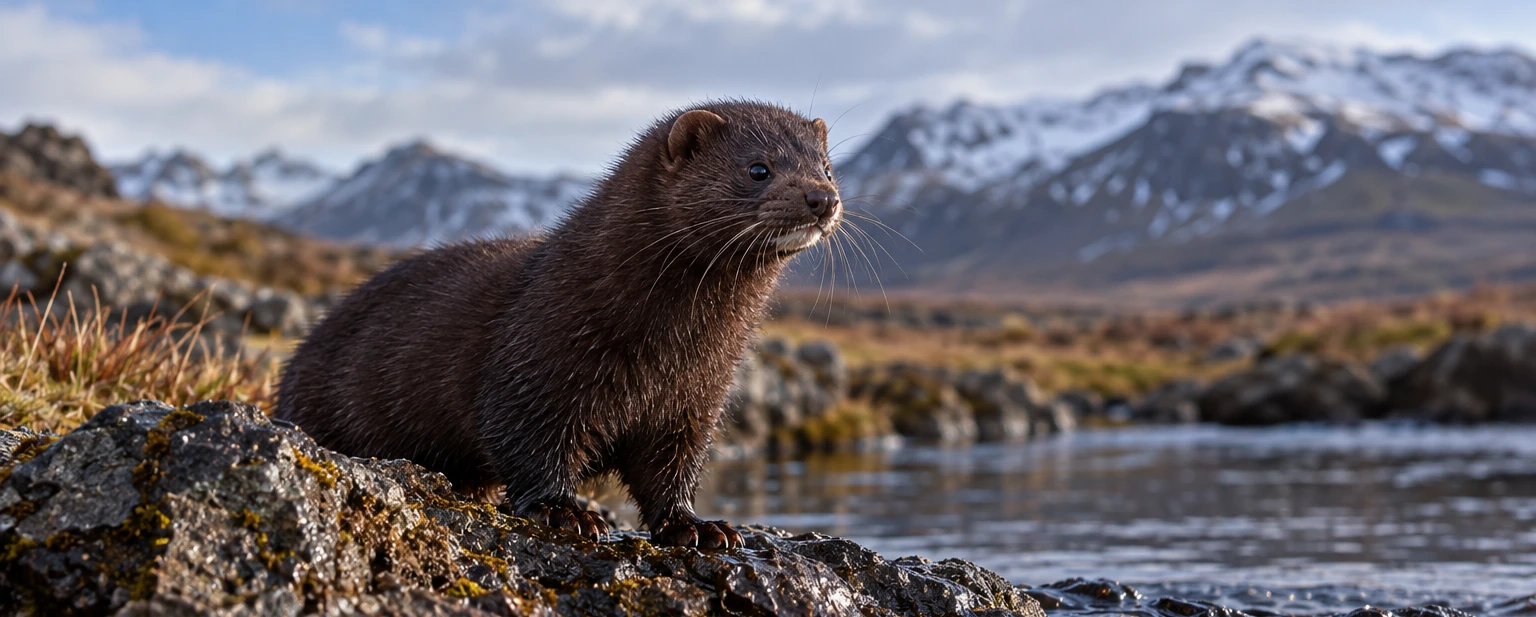
The Last Farmer Still Stands
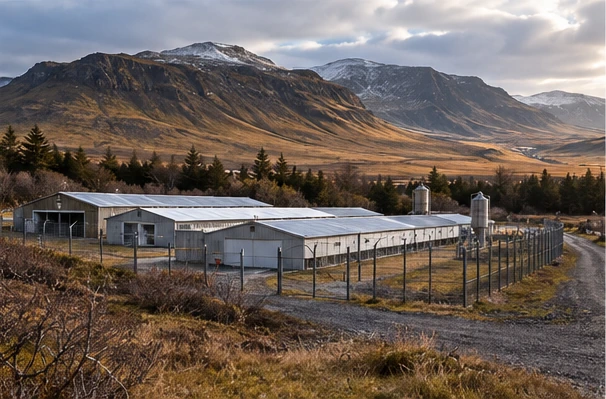
At Dalsbú in Mosfellsdal, Ásgeir Pétursson continues a business once carried out on farms across Iceland. Fur farming has contracted rapidly: around 30 farms operated in 2017, compared with six in 2025. Dalsbú is now the only operating mink farm. Difficult business conditions, fluctuations in international fur markets and changing attitudes toward fur production have contributed to the decline. Ásgeir has not lost faith in the industry: in a March report by Kveikur, he suggested demand for natural materials, including fur, might rise again. But the summer of 2026 brought a serious setback with potentially lasting consequences.
Thousands of Mink Released from Cages
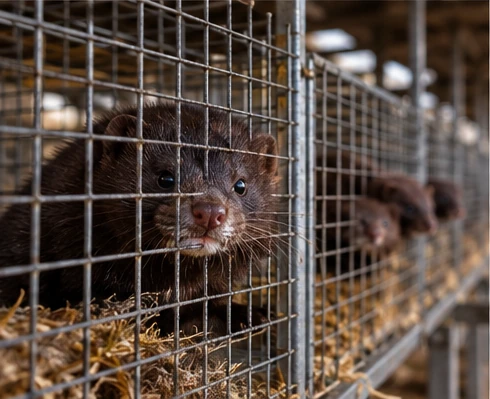
At the end of July, intruders entered Dalsbú and opened approximately 7,000 cages. Thousands of mink got out of their cages, and some escaped beyond the farm’s security fences. An estimated 500–600 animals reached areas outside the premises. Most were subsequently believed to have been accounted for; mink found outside the fences were euthanized. Hunters, specially trained dogs, municipal workers, other responders and volunteers joined the operation. The fences prevented the overwhelming majority from reaching the wild. The business nonetheless suffered serious harm: mink were injured, died or had to be put down, breeding lines became mixed and some pedigree records were lost. Ásgeir has said new breeding animals might need to be imported to avoid inbreeding.
Farm Break-Ins Alarmed Farmers
Dalsbú was not the only Icelandic livestock operation targeted in 2026. Break-ins also occurred at the Stjörnugrís pig farm in Kjalarnes and Reykjabú poultry farm in Mosfellsbær, where animals were released and property damaged. The Farmers Association of Iceland strongly condemned attacks on lawful businesses, stressing that the animals themselves suffered. Animal-welfare organizations also criticized releasing captive animals into dangerous circumstances where they could be injured, killed or threaten other wildlife. Police detained and questioned individuals in connection with suspected involvement at Dalsbú. Some other break-in cases were solved in September, but the Dalsbú investigation was still unfinished. Neither the perpetrators nor their motives in that case have been confirmed. The events raise difficult questions about the boundary between peaceful protest, animal advocacy and unlawful acts that may themselves cause animal suffering.
When Mink Arrived in Iceland
The story began in autumn 1931, when the first American mink were brought from Norway for fur farming. Native to North America, mink had already been bred in Europe for their valuable pelts. Before long, animals escaped and reproduced in the Icelandic countryside. A mink den was found by the Elliðaár rivers in Reykjavík in 1937. Over subsequent decades the species spread across the country, establishing a self-sustaining population of a predator previously absent from the ecosystem. Mink are now classified as invasive in Iceland.
A Predator in a Vulnerable Ecosystem
Iceland has unusual terrestrial mammal fauna: the Arctic fox is its only native land mammal surviving from the end of the Ice Age, while other wild land mammals arrived later. Mink are adaptable hunters that swim and dive, taking fish, birds, eggs and chicks along rivers, lakes and coasts. Icelandic birdlife evolved without this predator, making some nesting species particularly vulnerable. The Icelandic Institute of Natural History has identified local effects on black guillemot breeding success and other seabirds; mink are also thought to have contributed to the disappearance of the water rail from Iceland. Research into the overall effect on bird populations is limited, so mink cannot be blamed for every local decline. What is clear is that the species has become established and can alter ecosystems that developed without it. Mink have been hunted in Iceland for decades to reduce numbers and limit damage.
Animal Welfare Under Scrutiny
As fur farming has declined, criticism of the animals’ living conditions has intensified. In March, investigative television program Kveikur aired footage from three Icelandic mink farms showing wounded animals and conditions that raised serious welfare concerns. Those three farms have since closed; the footage was not taken at Dalsbú. Iceland’s chief veterinary officer has noted the difficulty mink face in expressing natural behavior in conventional farming cages. The debate is therefore not only whether existing rules are followed but whether those rules provide sufficient protection. At an October 9 conference in the Nordic House, the Icelandic animal-welfare association called for a ban on fur farming, arguing that mass breeding an animal already classified as invasive is unacceptable.
More Opponents Than Supporters
An August report on a Maskína survey commissioned by the animal-welfare association found roughly twice as many respondents opposed to fur farming as in favor. This suggests the industry faces public-opinion pressure as well as economic challenges. More than 20 European countries have adopted fur-farming bans or decided that bans will take effect later. Icelandic authorities have not announced an equivalent ban. The issue pits demands for animal welfare and nature conservation against the position of an operator who invested in a lawful business and wants to continue. The question is not only whether fur farming has a future, but how society responds when a once-valued industry becomes increasingly controversial.
A Legacy That Will Not Disappear with the Last Farm
Icelandic mink farming now spans roughly 95 years. What began as an attempt to create jobs and value has dwindled to a business maintained by one farmer. Yet mink continue to live in Icelandic nature whether or not the last farm closes. That is the central contradiction: the species was imported for its economic value, only for authorities later to seek to contain its spread and protect other wildlife. The Dalsbú break-in demonstrated the serious consequences of releasing large numbers of animals, for the animals, the farm and the environment alike. The future of the country’s last mink farm is uncertain, but the end of farming would not end the story of mink in Iceland. The industry may disappear; the effects of its introduction will remain part of Iceland’s natural environment for years to come. The illustrations in this article were generated with AI; they are not documentary photographs of Dalsbú or the events described.