
Seven Months at War — Why Can’t the United States and Iran Reach a Peace Agreement?
Russia is attempting to mediate between the United States and Iran after more than seven months of fighting that has disrupted oil shipments, cost lives and heightened tensions across the Middle East. Despite ceasefires, negotiations and repeated suggestions that peace is within reach, the war continues. The dispute now concerns not only Iran’s nuclear programme but also control of maritime routes, economic sanctions and the security of Gulf states.
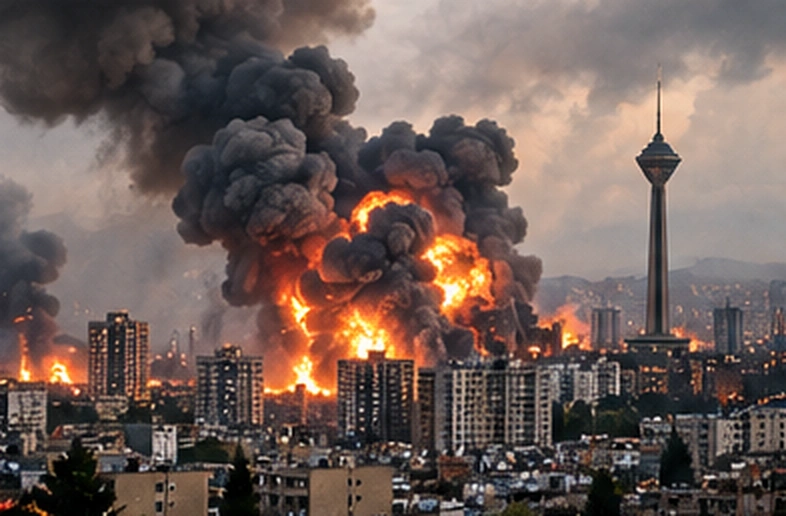
Putin seeks a place at the negotiating table
The latest developments in the war concern diplomacy rather than airstrikes.
According to the Kremlin, US President Donald Trump and Russian President Vladimir Putin discussed the situation in Iran in a telephone call on Friday, October 9.
Putin had previously met Iranian President Masoud Pezeshkian in Turkmenistan. Russian officials say he subsequently conveyed Iran's views on possible peace arrangements to Trump.
The Kremlin has also said that Trump responded positively to Russia's involvement in peace efforts.
However, no comprehensive account of Putin's proposals has been published, and no new peace agreement has been confirmed.
Russia's involvement is particularly noteworthy because Moscow is itself at war with Ukraine while maintaining close relations with Iran.
The question is whether Russia can become a genuine mediator or whether the talks will primarily create another forum for political contact between major powers.
The war began on February 28
The current war began on February 28, 2026, when the United States and Israel launched extensive strikes against Iran.
Those killed in the attacks included Iran's supreme leader, Ali Khamenei, and other senior officials.
US and Israeli authorities had long expressed concerns about Iran's nuclear programme, missile capabilities and support for armed groups in the region.
Iran, meanwhile, had repeatedly denied seeking to build nuclear weapons and condemned military action against the country as a violation of its sovereignty.
The strikes came while attempts had been made to resolve the dispute through negotiations.
Iran responded with attacks against US forces and their allies in the region. The conflict soon spread beyond Iran's borders, affecting shipping, air travel and the economies of Gulf states.
What was initially presented as a military operation with limited objectives thus developed into a prolonged regional security crisis.
The Strait of Hormuz becomes Iran’s main source of leverage
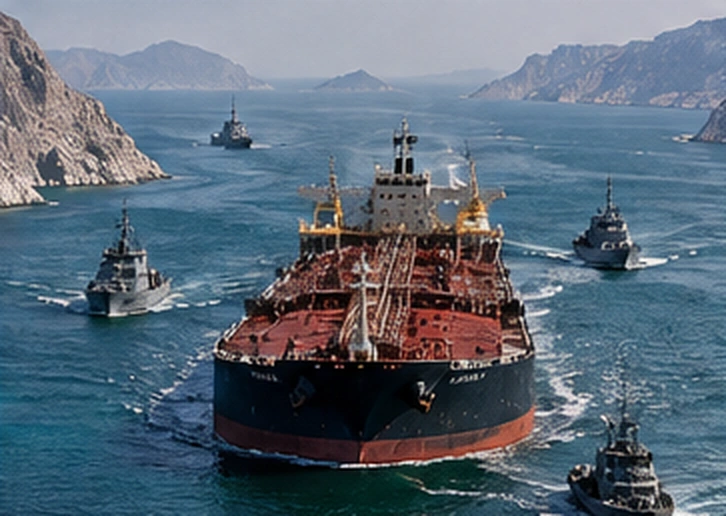
One of the most consequential changes in the war came when Iran restricted shipping through the Strait of Hormuz.
The strait lies between Iran and Oman, connecting the Persian Gulf to the Gulf of Oman and onward to international shipping routes.
In peacetime, a large share of the world's oil and gas shipments passes through it.
Disruption to access therefore has consequences far beyond the Middle East.
For Iran, the strait's geography provides an important source of negotiating leverage.
The United States, however, has stressed that international shipping lanes must remain open and that one country cannot be allowed to control traffic through them at will.
The dispute is therefore about more than ships carrying oil. It is also about who has the power to guarantee or restrict access to one of the world's most important transport corridors.
A ceasefire that did not hold
In early April, the United States and Iran reached an agreement on a temporary ceasefire.
Talks took place with the involvement of intermediaries, including in Pakistan.
The ceasefire proved fragile, however. Allegations of violations, military operations and disputes over passage through the Strait of Hormuz repeatedly obstructed a lasting settlement.
The United States also imposed a blockade on Iranian ports.
Washington argued that Iran should not continue earning revenue from oil exports while other countries faced serious disruption to shipping.
Iran condemned the blockade as an unlawful measure against its economy.
The result was a situation in which both sides tried to pressure the other by restricting access to sea routes and trade.
June: An agreement intended to open a path to peace
On June 17, the United States and Iran reached a preliminary agreement intended to provide a basis for a more permanent solution.
Among other things, the agreement envisaged reducing hostilities, addressing disagreements over nuclear issues and easing certain economic restrictions.
But not all provisions were implemented in a way that allowed both sides to trust the arrangement.
Military operations resumed in July.
US officials accused Iran of attacks on ships in the region, while Iran continued to criticise American military action and economic pressure.
The agreement intended to end the war thus became another example of how difficult it is to turn a temporary arrangement into lasting peace.
What does the United States want?
US authorities have set out several central objectives in the conflict.
They want to prevent Iran from acquiring nuclear weapons, reduce the military threat in the region and secure shipping through the Strait of Hormuz.
Washington has also used economic sanctions and a blockade to pressure the Iranian government.
But the United States faces problems of its own.
A prolonged military presence is costly, and disruptions to oil shipments affect the US economy.
Higher fuel prices have increased pressure on the administration as congressional elections approach.
Trump has now said the United States will not launch new attacks on Iran before the November 3 elections.
That statement, however, does not amount to a formal ceasefire or a guarantee that the conflict is over.
What does Iran want?
Iranian authorities want the United States to lift the blockade and economic sanctions that have significantly affected the country's economy.
They also want assurances that the country will not face renewed attacks.
The status of the Strait of Hormuz is among the most difficult negotiating issues.
Iran has emphasised its own security interests and influence over shipping near its coastline.
The United States and other countries, however, maintain that free and safe international navigation must be guaranteed.
The disagreement is difficult because both sides regard it as a fundamental security issue.
For Washington, it concerns international trade and the security of allies.
For Tehran, it concerns sovereignty, security and the country's ability to withstand economic and military pressure.
A war extending far beyond Iran
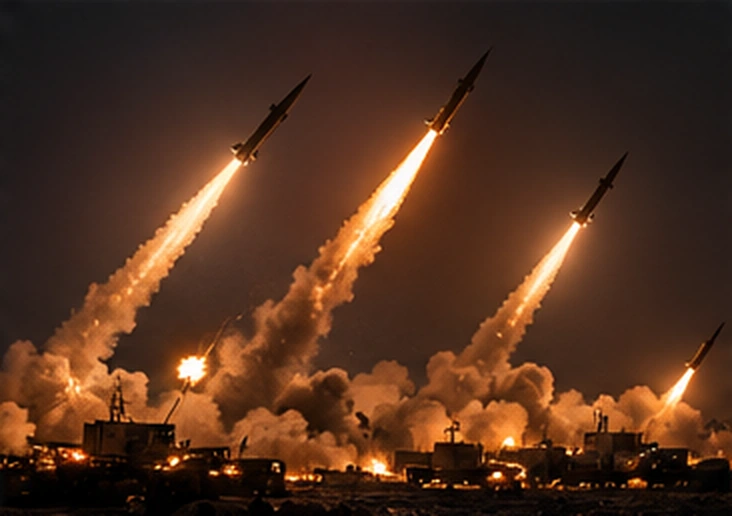
The conflict has affected numerous countries across the region.
Israel has played a central role since the beginning of the war, and conflict involving Lebanon has added to instability.
In the Red Sea, fighting involving the Houthis in Yemen has created further risks for shipping and transport.
In October, renewed attacks and military operations in Yemen have raised concerns that another vital shipping route, the Bab el-Mandeb Strait, could also suffer serious disruption.
The war between the United States and Iran can therefore no longer be viewed solely as a dispute between two countries.
It affects the security of allies, regional conflicts, international trade and energy supplies.
Oil prices, trade and the impact on Iceland

The consequences of the war have also reached countries that are not directly involved in the fighting.
Disruptions to oil shipments have increased uncertainty in international markets and put upward pressure on fuel prices.
This matters to Iceland because the country still depends on imported fossil fuels for transport, fisheries and various freight operations.
Higher fuel prices can therefore affect businesses' operating costs and consumer prices.
The effects also depend on other factors, including exchange rates, inventory levels and contracts held by fuel importers.
It is not possible to assert that any single development in the war will, on its own, produce a specific price change in Iceland.
The war also influences international decisions about energy trade.
The recent US–Russia agreement on diesel supplies must be viewed partly in that context.
When key transport routes in the Middle East are disrupted, countries seek alternative ways to secure supplies.
Can Russia bring about peace?
Putin's involvement in the latest talks raises an interesting question.
Russia maintains contact with the Iranian government and can relay messages between Tehran and Washington.
But being able to pass on messages is not the same as being able to secure an agreement.
The United States and Iran themselves must reach a settlement on sanctions, shipping, nuclear issues and security guarantees.
The positions of other countries, particularly Israel and Gulf states, also matter.
Russia's involvement could facilitate communication between the parties, but there is still no information confirming that it has produced a new joint outcome.
A peace neither side yet trusts
Seven months after the war began, the United States and Iran still face the same fundamental question.
How can an agreement be reached when neither side trusts the other to honour it?
The United States wants to ensure that Iran cannot use its nuclear programme or control of shipping routes to threaten the security of its allies.
Iran wants assurances that the country will not remain under economic and military pressure after agreeing to restrictions.
Meanwhile, people across the region have had to live with the consequences of airstrikes, economic instability and prolonged uncertainty.
Russia is now trying to open another route to the negotiating table.
Whether that marks the beginning of lasting peace or another effort that comes to nothing remains unclear.
One thing is certain: the war has long since become larger than the dispute originally invoked to justify military action.
Images: AI-generated illustrations, not photographs of verified events. Sources: Al Jazeera, October 10 · Reuters, April 10 ·