
Trump says military leakers should be shot
The US president criticized leaks of sensitive military information, saying those responsible should face severe punishment. His remarks came as he discussed US airstrikes on Iran and an alleged leak about the movements of American bombers.
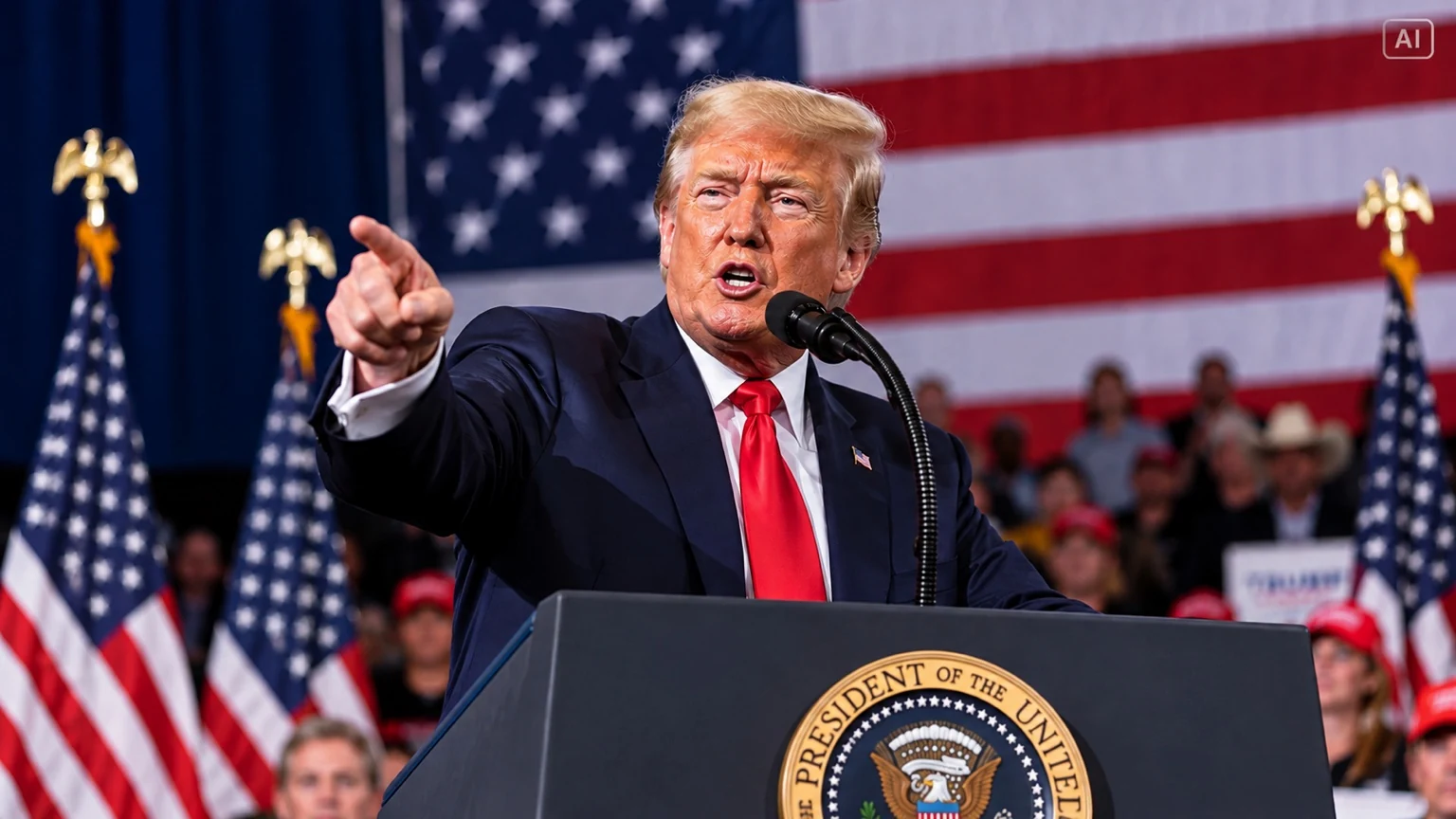
US President Donald Trump said at a campaign rally in Bullhead City, Arizona, on Wednesday, 14 October, that people who leak information about planned military operations should be shot.
The remarks came as the president recalled US airstrikes on Iranian nuclear facilities in June 2025, carried out under the name Operation Midnight Hammer.
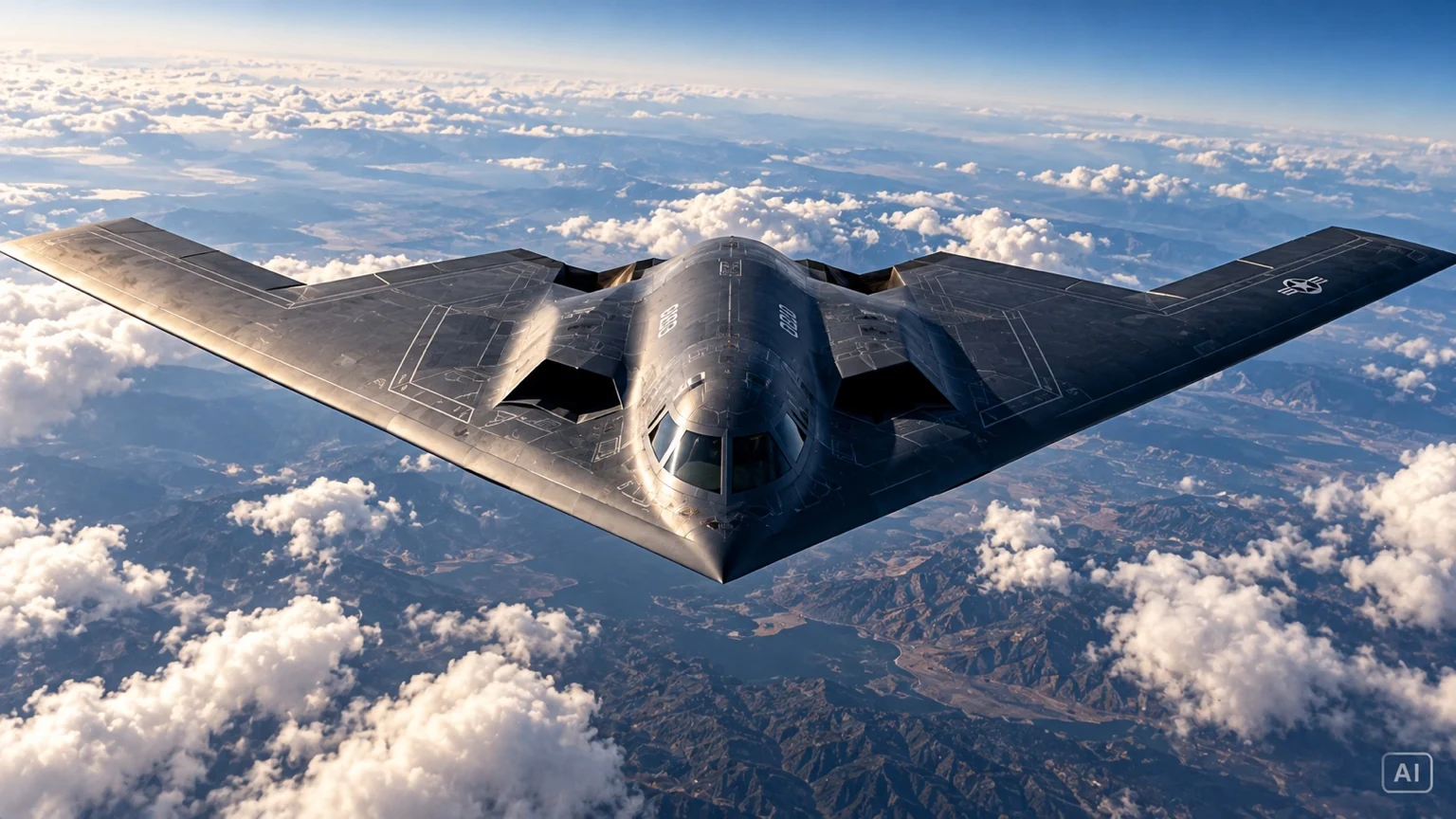
Trump said information about the timing of flights by US B-2 bombers had reached news organizations before the operation took place.
“In my opinion, leakers should be shot. They should be shot,” Trump said, according to a transcript of his speech published by Roll Call.
The president added that people who leaked such information had been shot in the past and emphasized the need to take seriously leaks that could affect military operations.
Says leak affected military planning
According to the president, information about the bombers’ departure times from Missouri and their expected arrival times reached the media.
Trump specifically mentioned The New York Times and CNN in this connection.
He said he discussed the matter with General Dan Caine, chairman of the Joint Chiefs of Staff, and decided to call off the operation at that point. Two days later, he said, a decision was made to proceed at the same originally planned time.
This is the president’s own account. There has been no independent confirmation that a leak caused the change in military planning he described.
US bombers struck Iranian nuclear facilities at Fordow, Natanz and Isfahan in June 2025.
Military secrecy and operational safety
Information about planned military operations can be especially sensitive when it concerns precise timings, the locations of forces or intended flight routes.
Publishing such information before an operation begins can give other states or military forces an opportunity to adjust their readiness and may affect the safety of those taking part.
That is why special rules govern the handling of classified information within the US military and government.
Information about military plans may also fall under US laws protecting national security and criminalizing certain disclosures of national-defense information.
Responsibilities of government and the press
Leaking information and publishing it in the media are not necessarily the same legal act.
US law distinguishes between the duties of people who have access to confidential information through their work and the legal position of news organizations that receive and publish information.
When publishing sensitive material, news organizations must also weigh the public interest against the possible consequences of publication.
The public has a substantial interest in learning about government decisions and military actions. At the same time, precise information about operations still being prepared may affect their execution and the safety of those involved.
These considerations can therefore require careful editorial judgments about what to publish and when.
What does US law say?
US law distinguishes between unauthorized disclosure of national-defense information, espionage involving foreign powers, and treason.
Under Section 793 of Title 18 of the US Code, unauthorized disclosure of national-defense information can be punishable by imprisonment when the statutory conditions are met. Certain offenses under that section carry prison terms of up to ten years.
Section 794 provides much more severe penalties for certain espionage offenses involving the communication of information to foreign governments or enemies in wartime. The death penalty is possible in specifically defined circumstances, subject to strict legal requirements.
This does not mean that every leak constitutes espionage or treason, or that the death penalty is a general punishment for passing confidential information to the press.
Separate rules also govern the press’s right to publish information. US courts have recognized broad protections for press freedom, although those protections are not without legal limits.
The remarks do not change the law
Trump’s comments at the campaign rally do not, by themselves, change US legislation or establish a new sentencing policy.
The president expressed his view on how leaks concerning military operations should be handled, but criminal liability and penalties depend on applicable law and the circumstances of each case.
The episode highlights the importance of distinguishing public remarks, allegations about particular events, and the legal rules that actually govern military information.