
Israel and the Middle East – A History of Conflict, National Interests and the Search for Lasting Peace
From Israel’s founding and the Oslo peace process to Gaza, tensions with Iran and new efforts to achieve security and stability. How are these issues connected, and what would lasting peace require?
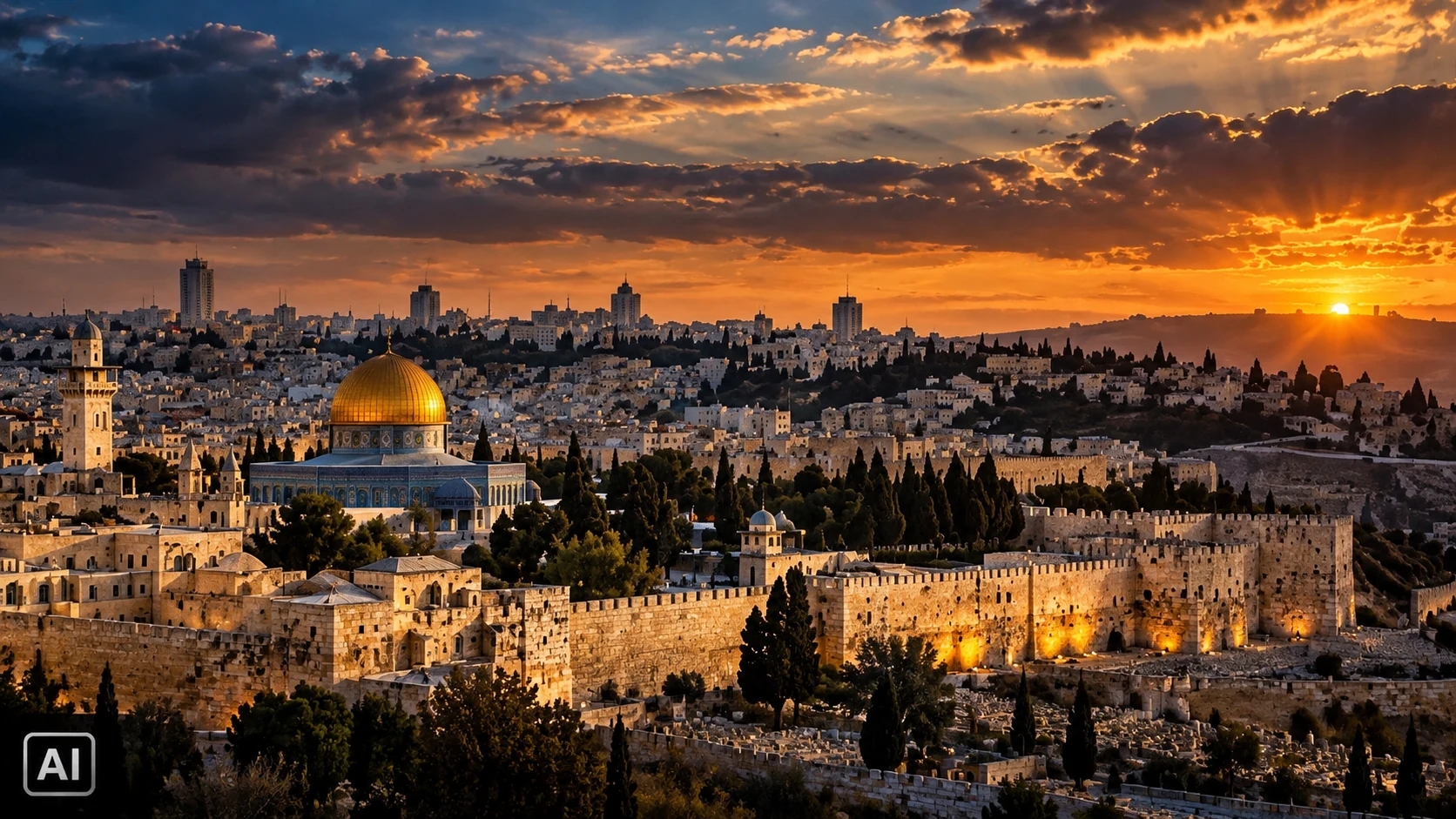
The Middle East is one of the world’s most important and complex regions. Centuries of history, religious traditions, global commerce, energy resources and national security interests intersect here. The region has experienced both bitter conflict and historic reconciliation. Countries that once fought have signed peace treaties, commercial ties have crossed old boundaries and governments have repeatedly sought a common path forward.
At the same time, fundamental questions remain unanswered. How can Israel’s long-term security be assured? How will Palestinians determine their future? What roles do Iran, Lebanon and neighbouring countries play? And how can the United States, Europe and other major powers contribute to stability?
To understand the situation in 2026, we must look beyond the most recent fighting. The region’s history is not one continuous dispute but several distinct issues that have become interconnected over time.
The land, its history and the founding of Israel
The land between the Mediterranean and the Jordan River has special historical and religious significance for Jews, Christians and Muslims. Jerusalem is central to that history, but people's connections extend to many other cities and communities. In the late nineteenth century, Zionism emerged as a movement advocating a national home for the Jewish people, against a European background of discrimination and persecution. The Holocaust underscored the urgent need for Jewish security. Arab inhabitants of Palestine also had established communities, cultures and a developing national identity, and regarded the land as their home.
After the First World War the territory came under British administration. In 1947 the UN General Assembly adopted a plan to partition Palestine into Jewish and Arab states, with a special international arrangement for Jerusalem. Jewish leaders accepted the plan while Arab leaders rejected it. Israel declared independence on 14 May 1948. War followed with neighbouring Arab states, alongside fighting that had already begun locally. For Israelis, independence marked the establishment of their state and a foundation for national security. For hundreds of thousands of Palestinians, the war brought flight, expulsion and the loss of homes. Both experiences remain central to how the peoples understand their histories.
War, borders and security
The Six-Day War in 1967 was a turning point. Israel took control of the West Bank, East Jerusalem, Gaza, the Sinai Peninsula and the Golan Heights. UN Security Council Resolution 242 subsequently became a foundation for diplomacy, addressing withdrawal from occupied territories and the right of states to live within secure and recognised boundaries.
Security has remained central to Israeli policy. Israel is geographically small, has fought several major wars and has faced rocket attacks, terrorism and threats from armed organisations and states. Palestinians, meanwhile, have sought self-determination, political independence and solutions on borders, settlements, refugees and Jerusalem. A lasting agreement must address security needs alongside recognised rights and stable governance.
When peace became possible
The history of the Middle East is not only a history of war. Egypt and Israel signed a US-supported peace treaty in 1979. Israel returned the Sinai Peninsula and the countries established formal relations. Jordan and Israel concluded their own peace treaty in 1994.
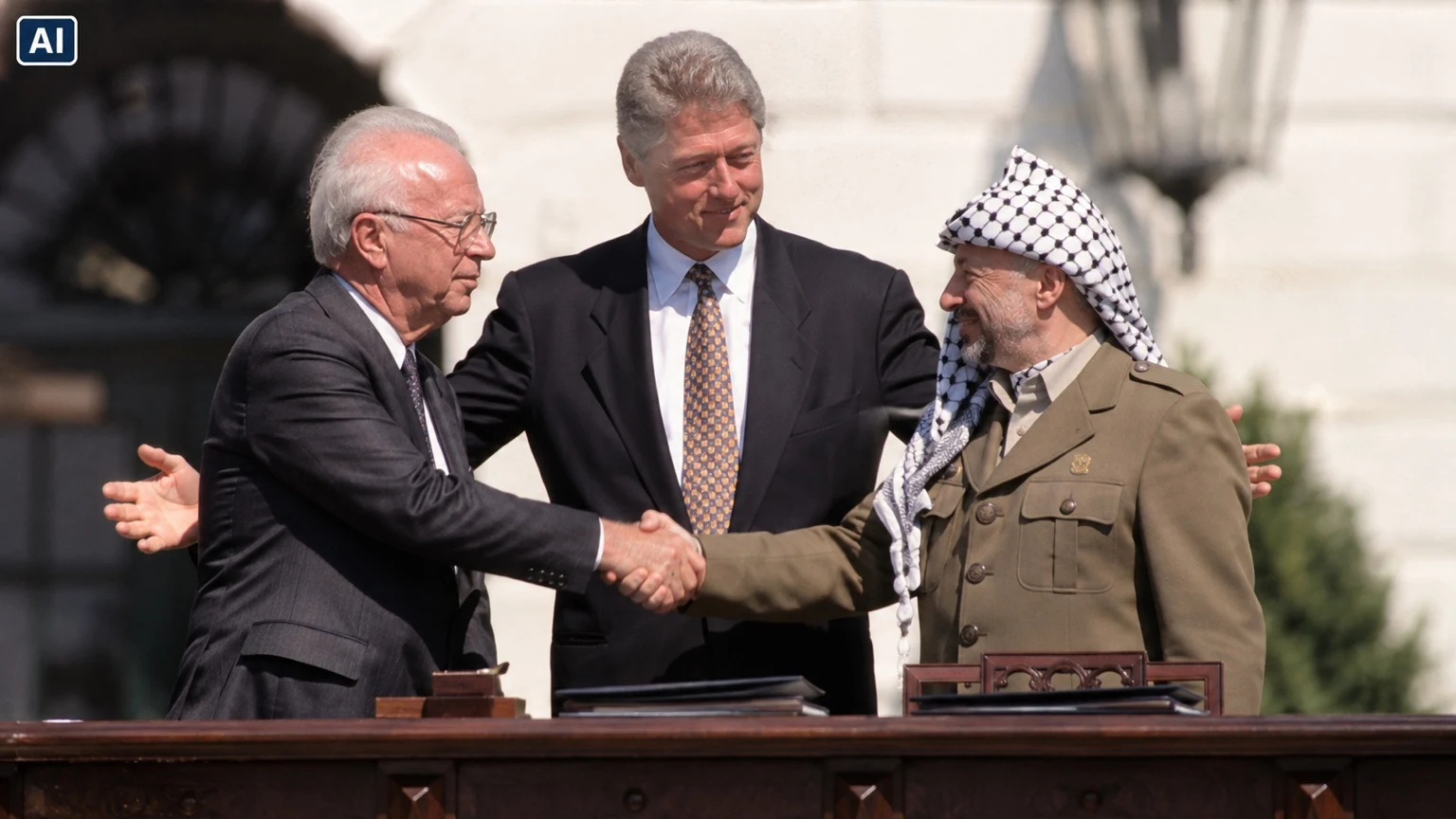
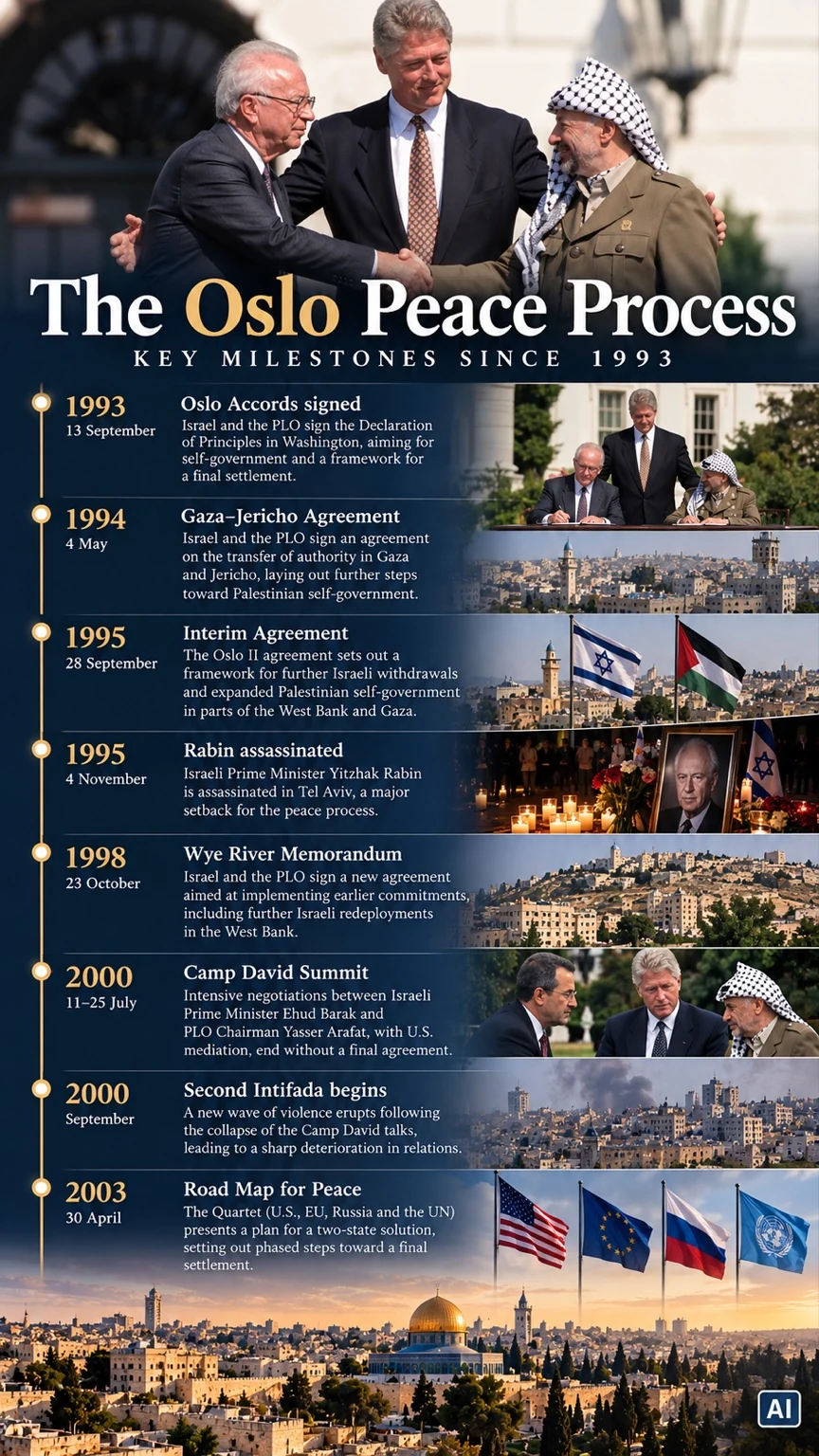
The 1993 Oslo negotiations were among the most important attempts to resolve the Israeli-Palestinian conflict. Secret talks in Norway led to mutual recognition between Israel and the Palestine Liberation Organization (PLO). The agreements envisaged Palestinian self-government in designated areas and further talks on borders, Jerusalem, refugees and security. Although the process did not produce a final settlement, it demonstrated that direct negotiations were possible.
The Abraham Accords opened another chapter in 2020. Israel established or improved formal relations with countries including the United Arab Emirates, Bahrain and Morocco, emphasising diplomacy, trade, investment and cooperation. These examples demonstrate that relations in the region can change.
Gaza and the West Bank: two different political environments
Although Gaza and the West Bank are both part of the Palestinian national question, their political development has differed. In parts of the West Bank, the Palestinian Authority exercises administration under arrangements that followed the Oslo agreements. Israel retains extensive security and administrative authority in other areas. Israeli settlements, freedom of movement, access to land and future borders remain disputed.
Israel removed its permanent military installations and settlements from Gaza in 2005. Hamas took control there in 2007 after fighting with Fatah. Hamas is an armed Islamist political movement designated a terrorist organisation by the United States and the European Union, among others. Repeated conflicts with Israel followed, alongside disputes over border controls, access to goods and security.
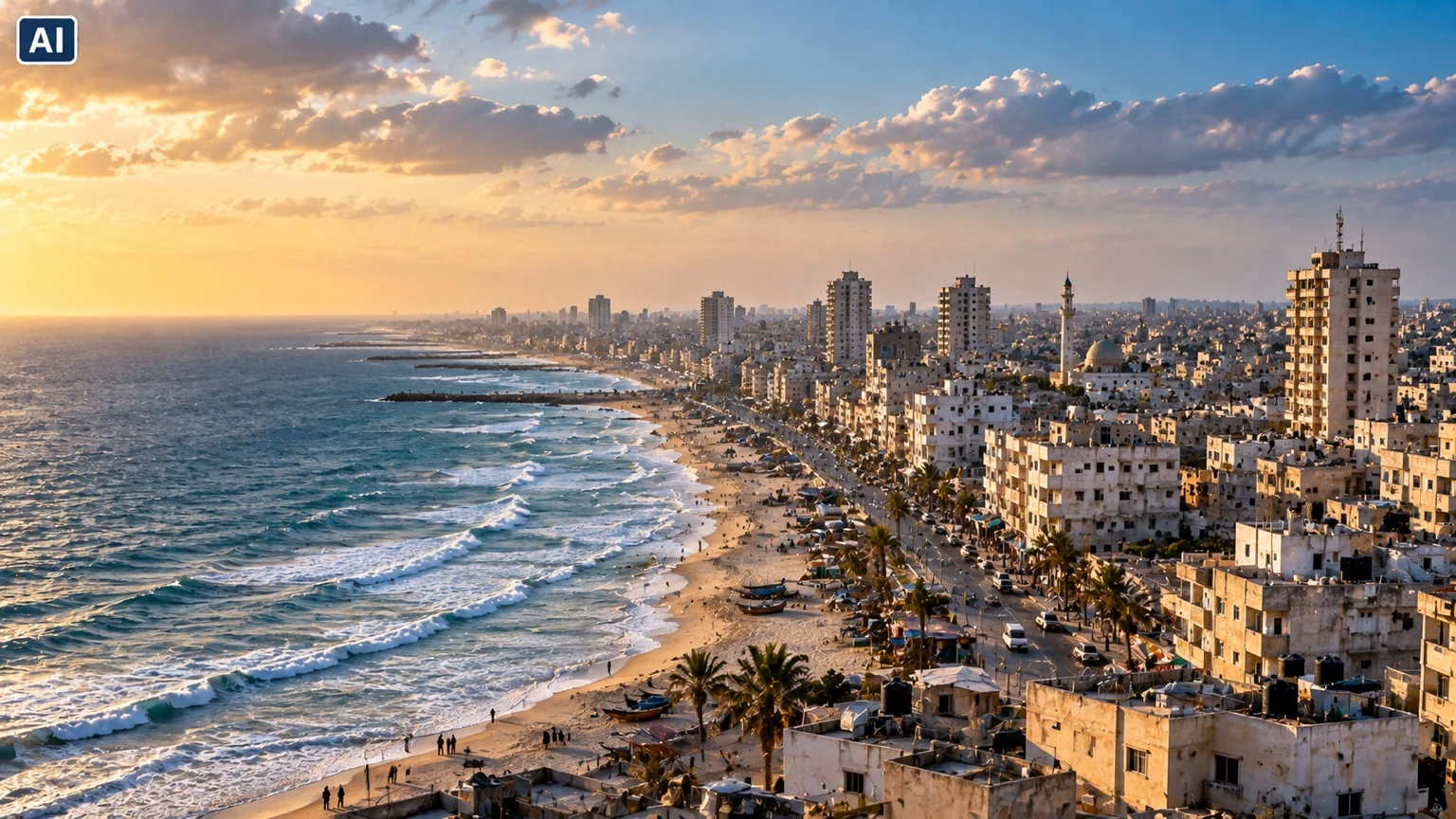
The attack on Israel by Hamas and other armed groups on 7 October 2023 began another grave chapter. Approximately 1,200 people were killed according to Israeli figures, and 251 people were taken hostage. Israel launched extensive military operations in Gaza, stating its aim was to dismantle Hamas's military capability and prevent a repeat attack. The war had devastating consequences for Gaza's residents, with extensive loss of life, destruction of housing and infrastructure, and severe damage to healthcare, water systems and livelihoods.
A US-led ceasefire plan, mediated with the involvement of Egypt, Qatar and Turkey, took effect in October 2025. The UN Security Council endorsed the plan in Resolution 2803 the following November. A year later, difficult questions remain over Hamas's disarmament, Israeli troop withdrawals, governance, reconstruction and long-term security. These are also questions about who can uphold law and order, operate schools and hospitals, and allow families to rebuild ordinary lives.
Lebanon: a country between competing interests
Lebanon is one of the Middle East's most diverse societies. Christians, Sunni and Shia Muslims, and other communities have long shared political power through a distinctive constitutional system. Beirut was an important centre of trade, finance and culture for decades, but the country has also endured civil war, economic crises and foreign influence.
Relations between Lebanon and Israel are shaped significantly by conflict involving Hezbollah, which emerged in the 1980s and has both political activities and a substantial armed wing. Hezbollah has received Iranian support, fought Israel and exercised considerable influence within Lebanese politics. For Israel, the threat of rocket attacks from southern Lebanon is a major security concern. For Lebanese authorities, sovereignty and the state's ability to control its territory are fundamental.
Fighting in 2026 again demonstrated how tensions between Israel and Hezbollah can affect all of Lebanon. The 2005 assassination of former prime minister Rafik Hariri is part of this history; it deeply affected Lebanese politics and relations with Syria but does not by itself explain the present conflict. Looking ahead, the key questions concern border security, stronger Lebanese public institutions and reducing the risk of wider war.
Iran: from revolution to regional power
Iran is one of the Middle East's largest and most populous countries, with a long history, major energy resources and a strong cultural identity. The 1979 Islamic Revolution transformed its political system, and relations with the United States and Israel deteriorated sharply.
Iran has since developed relationships with political and armed groups across the region, including Hezbollah in Lebanon. Tehran sees such ties as part of its security and regional influence strategy; Israel and other countries regard them as a serious threat. Iran's nuclear programme is another longstanding point of contention. Iran maintains that its nuclear activities have peaceful purposes, while Israel and Western governments have expressed concern about possible military uses.
Direct military conflict involving the United States, Israel and Iran in 2026 affected regional security, air travel, energy markets and shipping. Diplomatic solutions therefore involve more than military capabilities: nuclear monitoring, regional security, economic incentives and relations between states all matter.
Syria, Yemen and the Gulf
Understanding the region also requires looking beyond the countries most frequently named in Israeli news. Syria has long been important to the security of Israel and Lebanon. Its civil war, foreign involvement and the future of the Golan Heights have affected stability along Israel's northern frontier.
Yemen's prolonged civil war has created a grave humanitarian crisis. Houthi attacks on vessels in the Red Sea have shown how local conflicts can disrupt global trade. Saudi Arabia, the United Arab Emirates, Qatar, Bahrain, Kuwait and Oman play different roles in the Gulf. Some have emphasised investment and commercial cooperation, while others have served as mediators in difficult negotiations.
Qatar and Egypt have participated in talks over Gaza, while Oman has long hosted sensitive diplomatic contacts. The Middle East is not a single political bloc: its states have different interests, political systems and approaches to security.
The United States, Europe, Russia and China
For decades, the United States has been one of the most influential countries in Middle Eastern security and peace efforts. Its relationship with Israel encompasses extensive defence, political, trade and technological cooperation. Washington has also supported Israel's peace treaties with neighbouring states and participated in Israeli-Palestinian negotiations.
European countries have emphasised diplomacy, humanitarian assistance, trade and international cooperation. Russia has longstanding interests in Syria and relations with various regional governments. China has expanded its economic ties across the Middle East, particularly through energy trade and investment. These powers do not always pursue the same goals, but all have interests in preventing major conflicts from further disrupting the global economy.
Oil, shipping and economic security
The Middle East plays a central role in the world's energy system. The Strait of Hormuz links the Gulf with international sea lanes and carries important oil and gas shipments. The Suez Canal and Red Sea connect trade between Europe and Asia.
Disruption to shipping or energy production can affect prices, transport costs, businesses and national economies around the world, including Iceland. International oil prices and freight costs matter to Icelandic industry even though the country is geographically distant from the conflict.
On 15 October 2026, the International Monetary Fund warned that prolonged fighting and renewed disruptions to energy production, shipping or critical infrastructure were among the largest risks facing regional economies. Economic stability is therefore not separate from peace efforts: it can be a condition for their success.
The people behind the headlines
Conflicts in the Middle East are often explained through the names of leaders, military operations and political statements. For most residents, however, daily life centres on different priorities. Parents want to send children to school. Businesses need electricity, safe transport and access to markets. Hospitals need staff, medicines and dependable services. Young people want opportunities to study, build families and plan their futures.
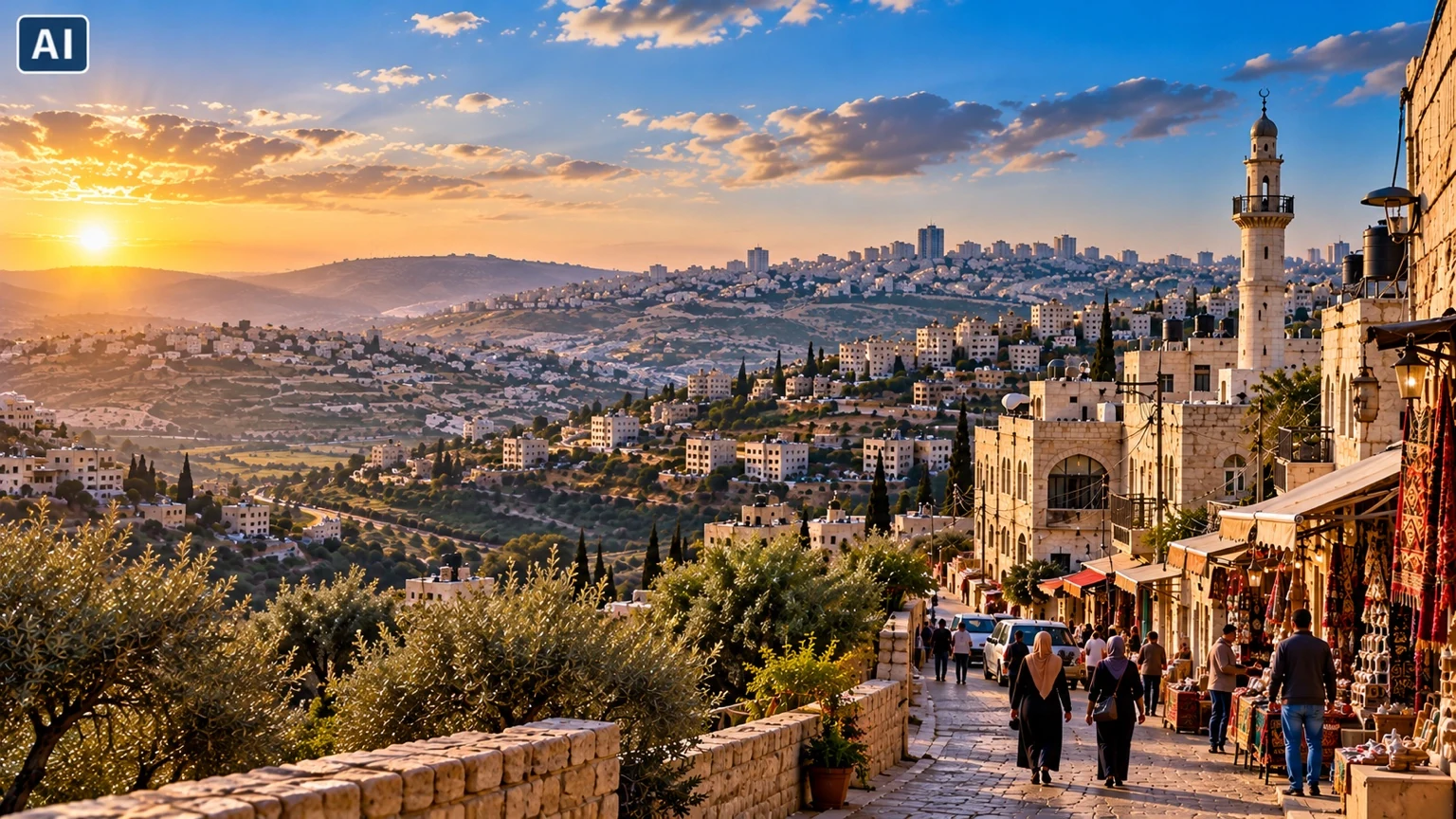
That is true in Tel Aviv, Jerusalem, Gaza, Beirut, Tehran, Amman and beyond. Civilian security is not measured solely by the absence of major military operations. It also means being able to travel to work, maintain a business and trust that the next generation has a chance of a better life. Rebuilding war-damaged areas can take years and requires financing, technical expertise, governance and trust.
What would lasting peace require?
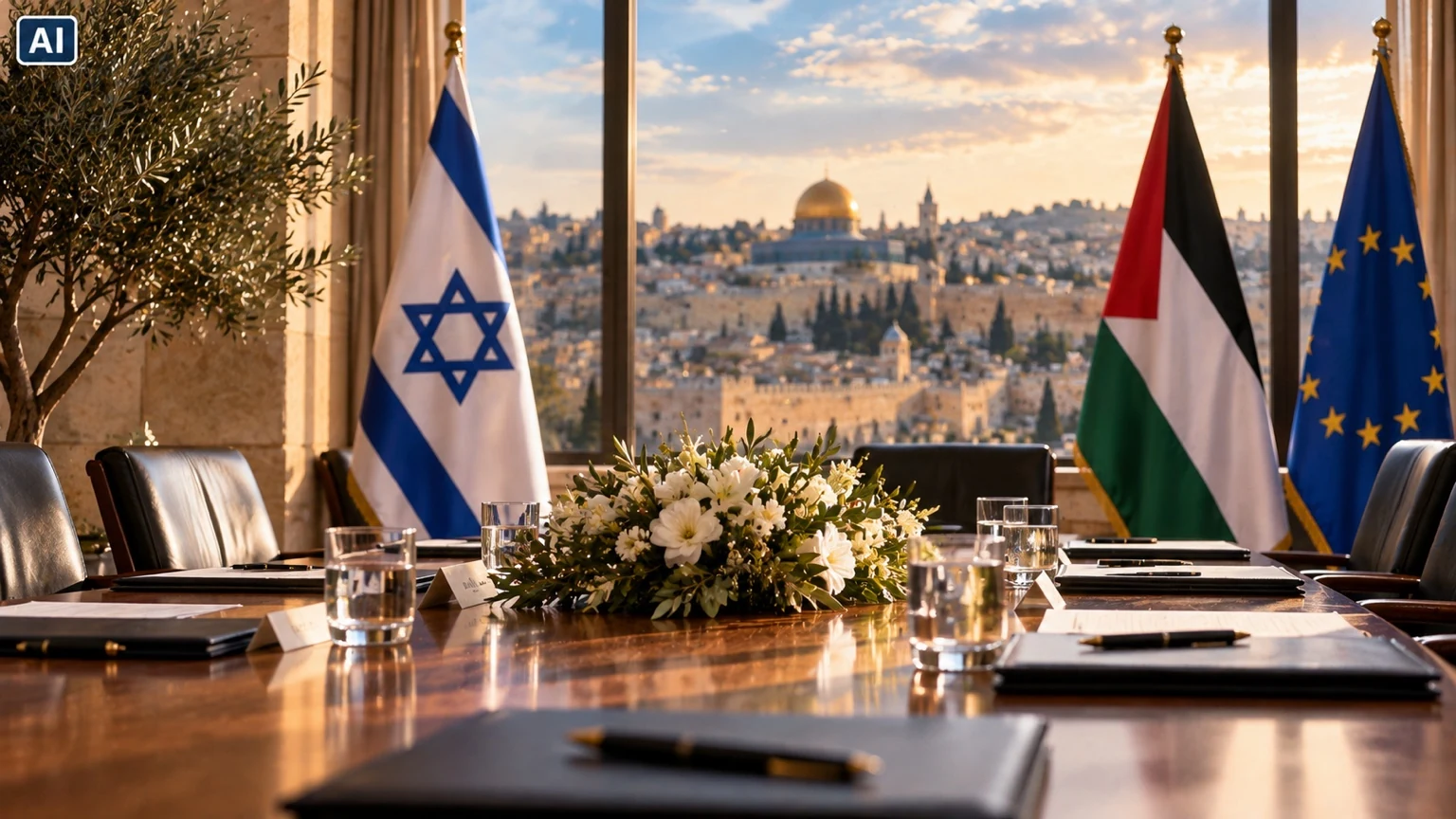
No single solution can resolve every problem in the Middle East. History nevertheless shows several elements that have mattered when progress was achieved: direct talks, clear agreements, international support and the political will to implement commitments.
Between Israelis and Palestinians, security, governance, borders, Jerusalem and Palestinian self-determination remain major questions. In Lebanon, the future involves border security, the role of the armed forces and the state's ability to exercise lawful authority. Relations with Iran require attention to nuclear issues, military tensions and regional security concerns.
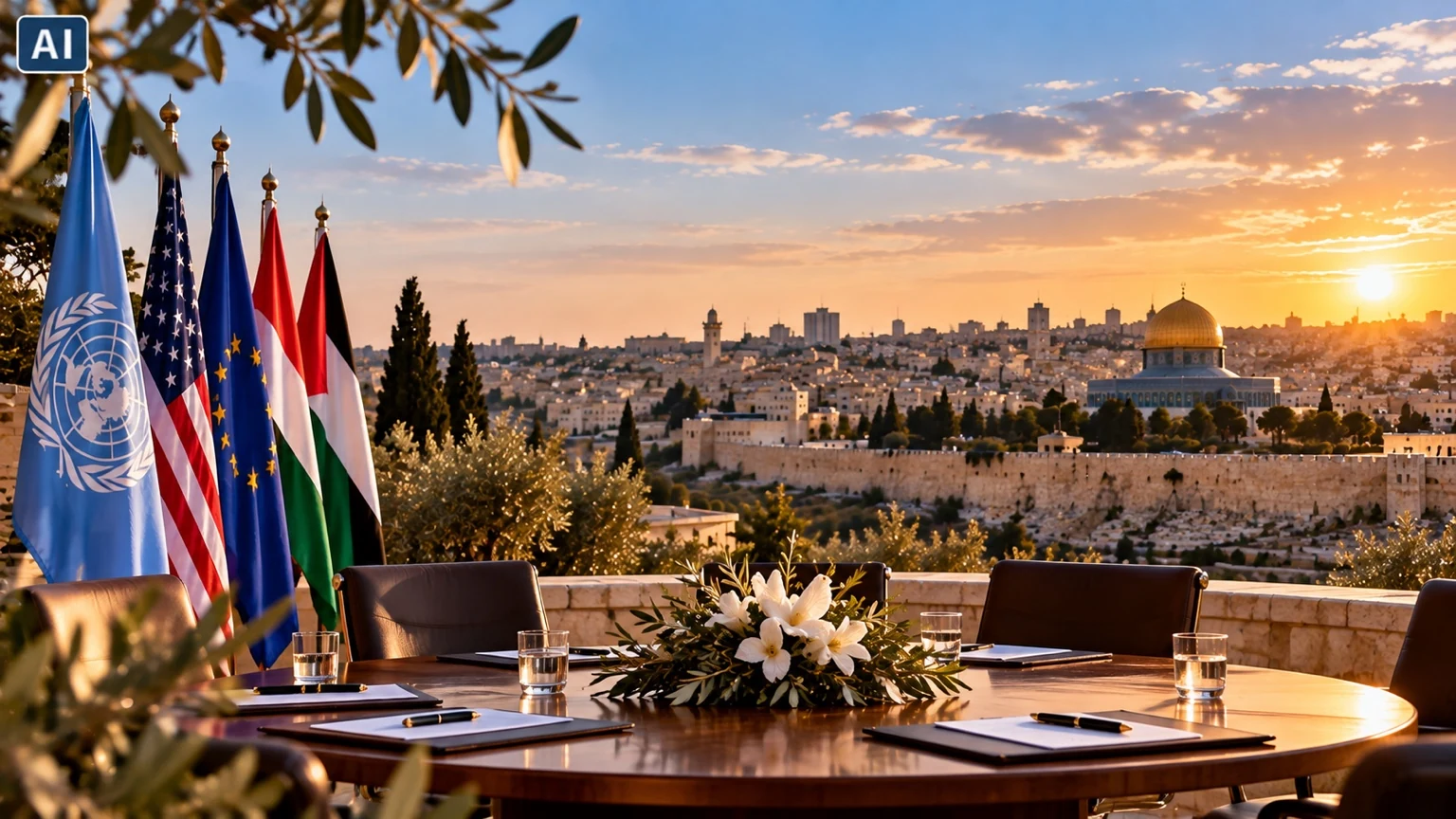
At the UN Security Council on 15 October 2026, officials stressed that Israelis and Palestinians need more than temporary measures. They need a credible path to peace and a future of security and dignity for both peoples. A lasting settlement must take seriously the safety and opportunities of more than one community.
The Middle East’s future is not predetermined
Despite its difficult history, the region has shown that change is possible. Israel's peace treaties with Egypt and Jordan, the Oslo talks and the Abraham Accords are different examples of relationships moving from confrontation toward cooperation.
The challenges in 2026 are substantial, but the future is not determined solely by the past. It will also be shaped by government decisions, economic development, new generations and whether trust can be rebuilt between communities. The Middle East is much more than its conflicts: it is home to cities, universities, technology companies, cultural institutions, families and societies with long histories and varied futures.
Understanding the Middle East means knowing not only why conflicts arose but also what becomes possible when peace, security and cooperation can develop. Fréttir 24/7 will continue covering these questions through in-depth explainers and shorter reports on individual events, diplomatic negotiations and economic developments.
More from World
 WORLD · GERMANYGermany's Generation Z Takes to the Streets: Anger Over Military Service, Education and an Uncertain Future31 October 2026
 WORLD · EUROPEEurope Burns? France’s October Riots Expose a Crisis of Public Order30 October 2026
 WORLD · UNITED STATESUS Midterm Elections 2026: Trump Faces a Crucial Test as Control of Congress Goes to the Voters31 October 2026